10 Painful Truths from SSR’s Death That Bollywood Can’t Afford to Forget
On June 14, 2020, the shocking news of actor Sushant Singh Rajput’s death sent tremors across the nation. A rising star in Bollywood, Sushant was found hanging in his Bandra apartment. Within hours, what appeared to be a suicide case spiraled into a complex web of conspiracy theories, media trials, drug scandals, and a deeply divided public.

Who Was Sushant Singh Rajput?
A self-made star, Sushant Singh Rajput rose from TV fame (Pavitra Rishta) to Bollywood stardom with acclaimed performances in Kai Po Che, MS Dhoni: The Untold Story, Chhichhore, and more. A passionate learner, he was known for his love of science, astronomy, and entrepreneurship.
With no filmy background, Sushant carved a niche through sheer talent and curiosity — making his death even more incomprehensible to many.
The Day He Died
Sushant was found dead at his home on a Sunday morning. Initial reports stated that he had been battling depression for months and was under psychiatric treatment. No suicide note was found.
The Mumbai Police declared it a case of suicide, triggering waves of grief — and soon, rage.
Nepotism and Public Outcry
Sushant’s death unleashed a nationwide outcry against Bollywood’s nepotism. Social media erupted with anger towards star kids, big production houses, and industry insiders.
Names like Karan Johar, Alia Bhatt, Salman Khan and others trended for weeks — blamed for allegedly sidelining and bullying outsiders like Sushant.
Hashtags like #JusticeForSSR and #BoycottBollywood dominated platforms like Twitter and Instagram.
Enter the Conspiracies
Within weeks, the narrative shifted from mental health to murder theories:
Was he poisoned?
Was it a professional killing covered up as suicide?
Did he know too much about illegal dealings?
YouTube channels and news anchors speculated wildly. The media frenzy became grotesque, with prime-time anchors turning into investigators.
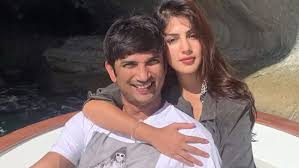

Rhea Chakraborty: From Girlfriend to Villain
Sushant’s girlfriend, actress Rhea Chakraborty, became the center of the storm. His family accused her of:
Abetment to suicide
Mental harassment
Financial exploitation
What followed was a vicious media trial. Rhea was arrested by the Narcotics Control Bureau (NCB) in a related drug case, though no concrete link to Sushant’s death was ever proven. She spent nearly a month in jail.
The CBI and Other Agencies
Under immense public pressure, the investigation was taken over by:
CBI (Central Bureau of Investigation) – to probe the actual cause of death.
ED (Enforcement Directorate) – to track financial irregularities.
NCB (Narcotics Control Bureau) – to investigate drug connections.
As of now, the CBI has not confirmed any foul play, and maintains the case is still “under investigation.”
The Media Circus
The SSR case became one of the most sensationalized cases in Indian media history. Channels competed for TRPs with conspiracy theories, leaked chats, and moral commentary.
The Press Council of India and Supreme Court criticized media houses for their conduct — turning grief into a 24×7 spectacle.
Mental Health: A Forgotten Topic
Lost in the noise was the real issue: mental health in high-pressure industries. Sushant reportedly suffered from bipolar disorder, and friends claimed he was battling anxiety and depression.
However, the public and even the media dismissed these facts — reinforcing the stigma around mental illness and further distorting the conversation.

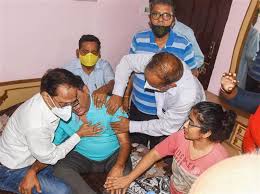
The death of Sushant Singh Rajput was more than a personal tragedy — it was a national moment of reflection. In our thirst for answers, we turned grief into gossip, pain into prime-time drama, and justice into judgment.
The truth may still be unknown, but what is certain is that Sushant deserved better — in life, and after.
What makes a case unforgettable? Is it the brutality of the act, the people involved, or the media noise? Or is it that some stories leave behind more questions than answers?
Each of these crimes — whether solved or unsolved — is more than a legal event. It’s a test of our collective conscience. It asks us: Do we only care when it’s trending? Do we trust the system to deliver justice? Do we treat victims as real people or just plot points?
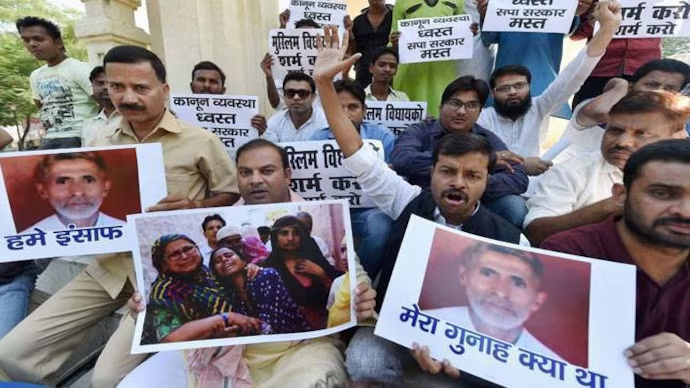
From Jessica’s courtroom battle to the Burari family’s eerie end, from Sushant’s mental health debate to Badaun’s caste-fueled horror — the truth is that justice in India often depends on who you are, not what happened to you.
These are not just “true crime” stories. They are warning signs, showing us what happens when justice becomes conditional and empathy becomes selective.
So the question remains: Will we just move on, or will we demand better?
Because until every voice matters, until every story is seen through the lens of truth and fairness, none of us are truly safe.