Sunanda Pushkar Death Case – Wife of Shashi Tharoor found dead in a hotel room
Sunanda Pushkar Death Case: A High-Profile Mystery Wrapped in Politics and Scandal
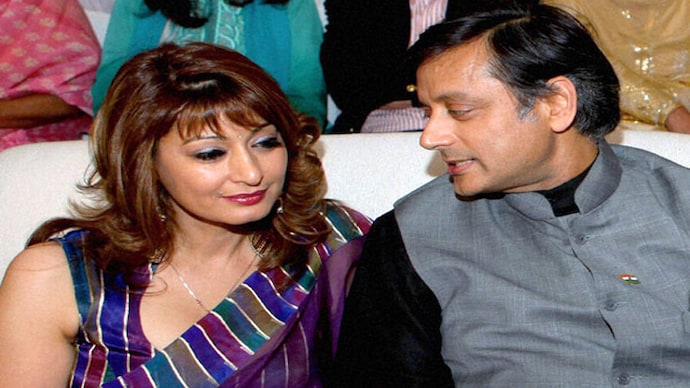
he Sunanda Pushkar death case is one of India’s most sensational true crime stories involving political controversy, public suspicion, and emotional drama. As the wife of prominent politician Shashi Tharoor, Sunanda’s sudden death in a five-star hotel room raised alarming questions and sparked endless media speculation.
This real-life mystery blended politics, personal turmoil, and a confusing trail of medical and forensic evidence, turning it into one of the most closely followed death investigations in recent Indian memory.
The Incident: A Shocking Discovery at The Leela Palace
On the evening of January 17, 2014, Sunanda Pushkar was found dead in Suite 345 of Delhi’s Leela Palace Hotel. Just a day before, she had been active on Twitter, involved in a public spat with a Pakistani journalist allegedly linked to her husband.
The news sent shockwaves across the country. Sunanda’s body was discovered lying on the bed, reportedly in an unnatural position. While no immediate cause of death was declared, her passing triggered intense public curiosity and political debates.
Initially speculated to be suicide, the case soon spiraled into a suspected murder, as forensic reports suggested traces of poison and injuries on her body.
The Background: A Marriage Under the Spotlight
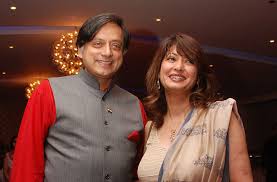
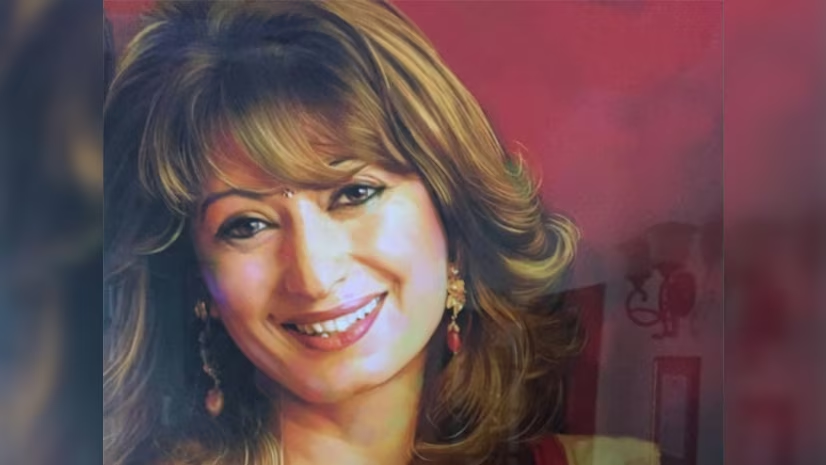
Sunanda Pushkar, a businesswoman and socialite, had been married to Shashi Tharoor, a former Union Minister and UN diplomat. Their relationship was often in the public eye—marked by glamour, affection, and later, controversy.
Days before her death, Sunanda had accused her husband of being involved in an extramarital affair, taking to social media to voice her distress. Screenshots, tweets, and WhatsApp messages added fuel to the fire, turning a private dispute into a public spectacle.
The timing of her death—right after these explosive revelations—only deepened suspicions.
The Investigation: Confusion, Contradictions, and Delays
The Delhi Police launched a probe that seemed mired in contradictions from the start. Initial postmortem reports were inconclusive. Later, AIIMS doctors reported multiple injuries and claimed death was caused by poisoning, not natural causes.
Years passed with no major breakthroughs. In 2015, the police registered a murder case under Section 302 of the IPC, based on a medical board’s findings. Yet, for months there was no concrete evidence pointing to a specific culprit.
In 2018, Shashi Tharoor was charged with abetment to suicide and cruelty under Sections 306 and 498A, sparking another round of political and media frenzy. He denied all charges, calling them “preposterous.”
The Forensics: An Elusive Truth
Forensic reports became central to this case, but even they failed to bring clarity. While some claimed Sunanda had taken anti-depressants, others found traces of Alprazolam (a sedative) in her system. The presence of injuries on her arms, wrists, and face made it hard to rule out foul play.
The fluctuating forensic interpretations caused confusion. Poisoning, drug overdose, suicide—or something else?
The lack of a definitive cause of death raised more questions than answers.
The Trial: A Political Drama in Court
By 2018, the prosecution named Shashi Tharoor as the sole accused. The case dragged through the courts amid media scrutiny and political undercurrents. Tharoor’s lawyers argued that the prosecution lacked any substantial evidence and that the case was politically motivated.
Years of hearings followed, with no conviction or acquittal. The case highlighted India’s slow-moving judicial process and how high-profile deaths become entangled with political narratives.
In 2021, Tharoor was discharged by the Delhi court, which said there was no sufficient ground to proceed with the trial. But by then, the damage to reputations and public trust was done.
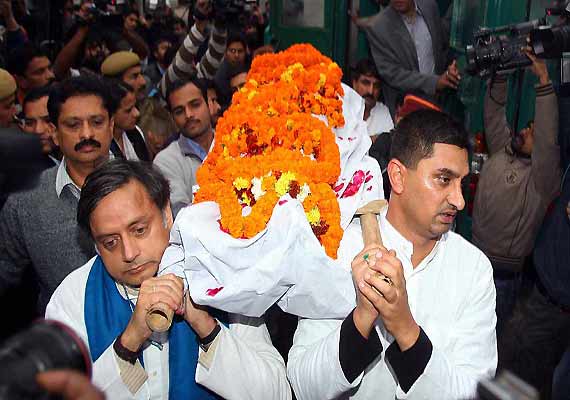

Public Reactions and Media Coverage
From breaking news headlines to prime-time debates, Sunanda Pushkar’s death was dissected from every angle. TV channels speculated theories daily—suicide, murder, or accidental overdose?
The case revealed the darker side of celebrity and political life in India—where privacy is scarce, and media trials often overshadow due process.
Her death became symbolic of how the intersection of gender, politics, and mental health is often misunderstood or misrepresented in the public eye.
Theories and Speculation: What Might Have Happened?
Despite the court’s final ruling, many theories still linger:
Was it suicide due to emotional distress and betrayal?
Was foul play involved, possibly by someone close to her?
Could it have been an accidental overdose?
These questions continue to be discussed in true crime communities, especially since there were no CCTV recordings, limited eyewitnesses, and conflicting timelines.
Legacy: What the Case Reveals About India
The Sunanda Pushkar case forced India to confront its shortcomings in dealing with celebrity deaths, mental health awareness, and women’s voices in powerful spaces. It also revealed the cracks in our medical, forensic, and judicial systems—especially when dealing with high-profile figures.
While the legal system may have closed the case, the mystery surrounding her death still haunts public memory.
Conclusion: A Mystery That Lingers
The death of Sunanda Pushkar is not just a crime story—it’s a complex narrative of love, betrayal, power, and loss. Though courts have given their verdict, for many, the real story remains untold.
As the years go by, her name continues to surface in discussions on media ethics, political accountability, and justice. The unanswered questions, the emotional fallout, and the political entanglements make this one of India’s most compelling true crime stories of the decade.