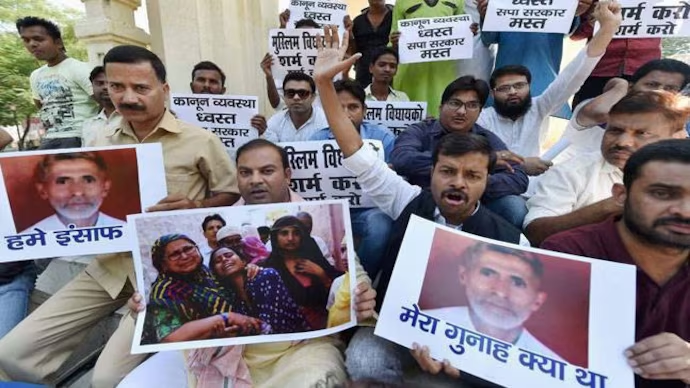
The Sohrabuddin Sheikh Encounter Case – When the Bullet Wrote the Truth

“He wasn’t just killed. He was erased, and they tried to erase the truth with him.”
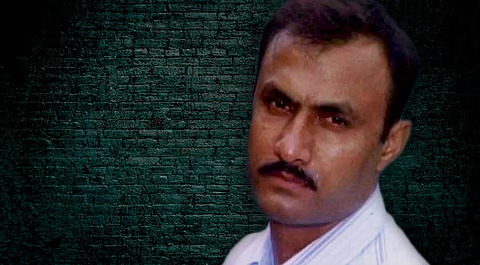
Sohrabuddin Sheikh

In November 2005, a man named Sohrabuddin Sheikh was killed in what the police claimed was an “encounter”—a gunfight between law enforcement and a wanted criminal. But the reality was far more sinister. What appeared to be another elimination of a gangster turned out to be a staged killing, orchestrated by top police officers and allegedly sanctioned by powerful political figures.
What followed was a web of lies, cover-ups, disappearances—and eventually—a trial that shook the very foundation of how power, politics, and law enforcement operate in India.

Sohrabuddin Sheikh was a small-time criminal with alleged links to arms smuggling and extortion. On November 22, 2005, he, his wife Kausar Bi, and associate Tulsiram Prajapati were traveling by bus from Hyderabad to Sangli. Somewhere along the journey, the trio was intercepted by police officers from Gujarat and Rajasthan, pulled off the bus, and taken into illegal custody.
On November 26, Gujarat police claimed that Sohrabuddin was killed in an encounter near Ahmedabad, alleging he was plotting to assassinate a political leader. But serious gaps in the narrative began to emerge:
No independent witnesses.
No weapons recovered from Sohrabuddin.
His wife Kausar Bi vanished.
Tulsiram Prajapati “disappeared.”
It would later be revealed that Kausar Bi was killed and her body burned. A year later, Tulsiram was also killed in another fake encounter, to silence a potential witness.
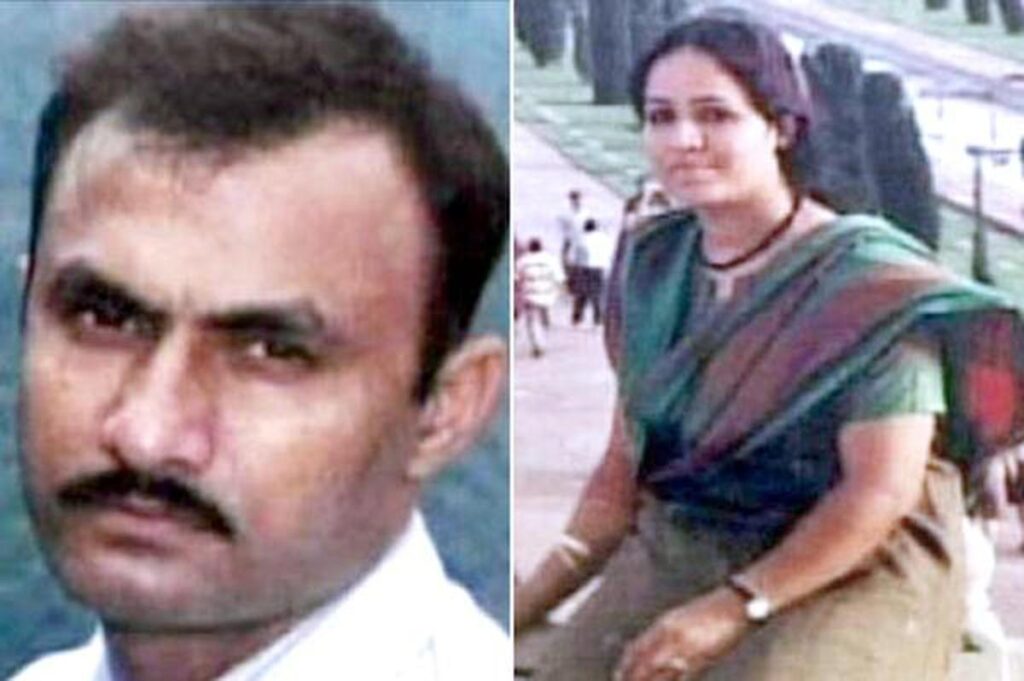

The Investigation: Truth vs. Power

The case took a dramatic turn when the Supreme Court handed over the investigation to the CBI in 2010. What they uncovered was chilling:
The entire encounter was fake—a premeditated murder.
It involved senior IPS officers like D.G. Vanzara and Rajkumar Pandian.
Amit Shah, then Gujarat’s Minister of State for Home and now India’s Home Minister, was named in the CBI charge sheet for allegedly ordering the killings.
The motive? Sohrabuddin allegedly knew too much about illegal dealings, extortion rackets, and police-political nexuses. Silencing him—and anyone connected—was the goal.

The Trial: A Verdict Without Justice?

In 2012, the Supreme Court transferred the trial from Gujarat to Mumbai to ensure fairness. A total of 38 people were charged, including high-ranking officers and political aides.
But over time, witnesses turned hostile. Some retracted statements. Others claimed memory lapses. A few even alleged pressure and threats. By December 2018, the CBI court acquitted all 22 accused, citing lack of evidence.
The judge remarked that the prosecution failed, not necessarily because the crime didn't happen, but because the system failed to prove it.

Impact: A Case That Still Haunts

The Sohrabuddin Sheikh case remains a landmark case in India’s legal and political history—not because justice was delivered, but because it highlighted how deeply rooted political power can control law enforcement.
The case also triggered a debate on fake encounters, extrajudicial killings, and the erosion of trust in institutions meant to protect the public.

Conclusion: A Ghost That Refuses to Fade

Sohrabuddin Sheikh is gone. So is Kausar Bi. So is Tulsiram. No convictions. No accountability. But the case lives on—as a reminder of how silence can be manufactured, truth can be manipulated, and justice, when tied to power, can be made to vanish.

Some encounters kill the body. This one tried to kill the truth.

Similar Posts

Leave a Reply

Your email address will not be published. Required fields are marked *