11 Creepy Details from the Burari Deaths That Still Haunt India
On July 1, 2018, India woke up to one of the most chilling headlines in modern true crime history — 11 members of the same family found dead in their home in Burari, Delhi. Hanging in a ritualistic manner, eyes blindfolded, hands tied — the scene shocked the nation and sparked a wave of fear, speculation, and media frenzy.
Was it mass suicide? A cult ritual? Or something more sinister?

The Family Next Door
The Bhatia family lived in a modest, three-story home in Burari. They ran a well-known grocery shop and plywood business and were considered religious, hardworking, and friendly.
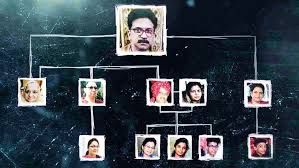
There were 11 members across three generations: the elderly matriarch Narayan Devi, her three sons (Lalit, Bhavnesh, and Praveen), their wives, and five grandchildren.
No one had any clue about the tragedy that was about to unfold.
The Discovery
At around 7 AM on July 1st, a neighbor discovered the bodies hanging from iron grills in the ceiling of the house’s central hallway. Only Narayan Devi’s body was found in another room, lying on the floor.
Ten bodies were hanging in a circular formation — blindfolded, mouths taped, limbs tied — as if part of a ritual. There were no signs of struggle, violence, or forced entry.
The scene was eerie and incomprehensible.
The Burari Diaries: A Shocking Twist
While police investigated every angle — from murder to occult sacrifice — they stumbled upon 11 handwritten diaries spanning over a decade. Most were written in Lalit Bhatia’s handwriting, the youngest son, who had become increasingly spiritual after his father’s death.
The diaries revealed detailed instructions for “rituals” that the family had followed leading up to their deaths. The writings indicated that Lalit believed his deceased father’s spirit had started guiding him and that salvation was near.
One chilling line read:
“Everyone must keep their eyes closed. The Earth will shake, and then I will come to save you.”
Psychological Analysis: Was It Shared Psychosis?
Experts believe this case may be a rare example of “shared psychotic disorder” (Folie à famille), where one dominant family member’s delusion is accepted and shared by others.
Lalit, believed to be suffering from a dissociative mental illness, gradually convinced the others to perform a series of spiritual tasks — which tragically ended in death.


What the Police Concluded
After ruling out murder and foul play, Delhi Police closed the case in 2019, labeling it as a mass suicide driven by delusional beliefs. But for many, the closure raised more questions than answers.
Why didn’t anyone outside the family notice signs?
Was everyone truly willing?
Could someone have intervened?
Public & Media Reaction
The Burari case became an instant media sensation. News channels ran speculative theories — from tantric rituals to possession. Social media was flooded with “ghost stories.” Netflix released a gripping docuseries called “House of Secrets: The Burari Deaths”, reigniting interest and debate.
Unanswered Questions
-
Why were the rituals so meticulously planned?
-
Was Lalit the only one mentally disturbed?
-
Could this have been prevented with mental health awareness?
Legacy of the Burari Case
The Burari deaths became more than a crime story — it became a cultural moment. It exposed the lack of mental health support in Indian households, the blind spots in collective belief systems, and how faith can blur into obsession when left unchecked.

What happened in Burari wasn’t black or white — it was a tragic grey zone where love, faith, fear, and mental illness collided. It left behind not just 11 lives lost, but 1.3 billion people wondering how something so terrifying could happen behind closed doors.
True crime stories often begin and end with sensational headlines, but behind every case is a human life lost, a family broken, and a society forced to confront its darkest corners. Whether it’s the shocking murder of a model in a bar, the chilling death of 11 family members in Delhi, or the silencing of a fearless journalist — each case reveals how deeply flawed our institutions can be.
These aren’t just stories of crime. They are stories of neglect, power imbalance, media frenzy, and social apathy. The justice system stumbles, the truth gets diluted, and public memory moves on. Yet, for the victims and their families, the pain remains permanent.
As readers, it’s easy to consume these stories as entertainment. But we must remember: these were real people, with dreams, relationships, and futures — brutally erased.
True crime must go beyond the thrill — it must lead to awareness, accountability, and empathy. Because until we truly listen, reflect, and demand change, history will continue to repeat itself — in new names, new places, and new tragedies.