
2015 Dadri Lynching Explained: Mohammed Akhlaq and the Deadly Power of Rumors
Who Was Mohammed Akhlaq and What Led to His Lynching?
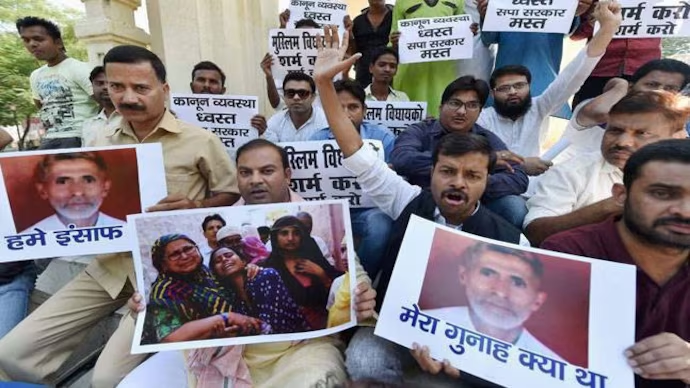
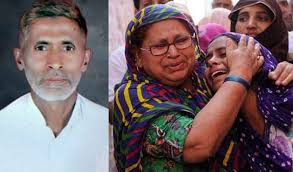
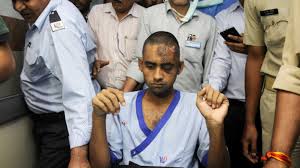
Mohammed Akhlaq was a 52-year-old resident of Bisara village in Dadri, Uttar Pradesh. On the evening of September 28, 2015, a violent mob lynched him based on a rumor that he had slaughtered a cow and stored beef in his home. The rumors originated from a temple loudspeaker announcement, which was made without any factual verification. As cow slaughter is considered offensive by many in the Hindu community, the mob reacted with rage. Around 100 villagers stormed into Akhlaq’s home, dragged him outside, and beat him to death with bricks and rods. His younger son, Danish, was also critically injured in the attack. The brutality of the act and the fact that it was incited by mere speculation shocked the nation. It wasn’t just a murder—it was a chilling reflection of how communal hate and misinformation can escalate into public violence with irreversible consequences.
The National Response and Political Fallout
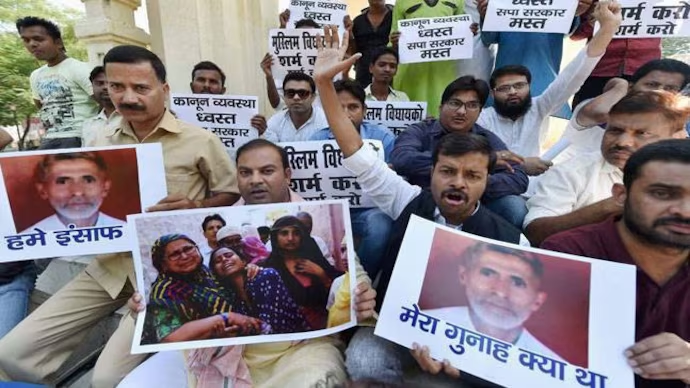
The lynching of Mohammed Akhlaq sparked national outrage and was widely condemned by political leaders, civil society, artists, and media. The incident quickly escalated into a symbol of rising intolerance and religious polarization in India. Major opposition leaders visited Akhlaq’s family, while the ruling party faced intense criticism for silence or vague responses. Cultural icons returned national awards in protest, launching what became known as the “award wapsi” movement. News channels ran constant coverage, and the term “mob lynching” began to dominate headlines. Akhlaq’s name became synonymous with the dangers of unchecked communalism. For many, the incident was not just about one man’s death but about the shrinking space for dissent and minority rights. The attack fractured public discourse, as debates over nationalism, religious identity, and personal freedoms intensified. It marked a turning point in how lynchings, previously localized, were now perceived as a national crisis demanding systemic action.
Legal Journey, Forensics, and Delayed Justice
In the aftermath, 18 people were arrested and charged with murder, including several minors. However, the legal journey was slow, marred by witness intimidation and political interference. Initial forensic tests stated that the meat found in Akhlaq’s fridge was mutton, but a later report controversially claimed it was beef, shifting attention from the murder to the meat. This further polarized the case and sparked outrage from civil rights groups, who saw it as an attempt to justify the lynching. Over time, many of the accused were released on bail. Akhlaq’s family faced harassment and eventually relocated. Meanwhile, the trial crawled through the courts. As of today, the case remains unresolved. The judicial delays and inconsistent narratives have shaken public trust in the legal system’s ability to address hate crimes fairly and efficiently, making it an example of how justice delayed often becomes justice denied.
Long-Term Impact on Indian Society and Public Memory
Mohammed Akhlaq’s lynching remains a symbol of the rising trend of mob violence and communal hate in India. It prompted public discourse on the misuse of religion, food politics, and freedom of choice. His case continues to be cited in human rights reports, legal debates, and social campaigns.
Conclusion
The lynching of Mohammed Akhlaq wasn’t just a tragedy—it was a wake-up call. It exposed how dangerous misinformation, intolerance, and mob mentality can be in a democracy. His story still echoes in India’s conscience, reminding the nation that justice and unity must stand above hate. To read full story see link.