7 Harsh Realities the Badaun Case Exposed About Rural India
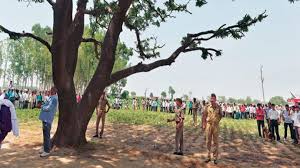
In May 2014, the horrific image of two teenage girls hanging from a mango tree in a remote village of Uttar Pradesh flashed across news channels and social media. It was the kind of image that burns into a nation’s memory—and ignited national outrage.
Known as the Badaun Sisters case, it wasn’t just about murder. It exposed a tangled web of patriarchy, caste politics, flawed policing, and systemic injustice in rural India.
The Victims and the Village
The victims were two cousins, aged 14 and 15, from the Dalit community, living in Katra village in Badaun district, Uttar Pradesh. Both girls had gone missing on the evening of May 27, 2014, after going to relieve themselves in the fields—since the family had no toilet at home.
Their bodies were found the next morning hanging from a tree, bound and lifeless, swaying in full public view.
The country was stunned.
Initial Claims: Gang Rape and Murder
The girls’ family immediately alleged that the sisters were gang-raped and murdered by upper-caste men from the village. Five men were named in the FIR, including Pappu Yadav, Awadhesh Yadav, and constables who allegedly helped cover up the crime.
Public anger soared. Dalit rights groups, women’s organizations, and political parties demanded swift justice.
The case gained global media attention—The New York Times, BBC, and Al Jazeera covered it as an example of India’s rural brutality and caste divide.
The Twist: CBI’s Entry and Controversial Closure
Under immense pressure, the case was handed over to the Central Bureau of Investigation (CBI). But months later, in a shocking turn, the CBI ruled out rape and murder, stating that:
-
The younger girl had a relationship with one of the accused, Vishal Meghwal.
-
The girls committed suicide out of fear of family shame after being caught.
-
No forensic evidence confirmed rape.
This conclusion angered activists and the public. Many accused the CBI of protecting the accused due to caste and political pressure. The family rejected the suicide theory, calling it fabricated and unjust.
The Role of Caste
The case deeply reflected the hierarchical caste system still active in Indian villages:
-
The victims were Dalits, traditionally marginalized.
-
The accused belonged to the Yadav community, a politically dominant group in the region.
-
Allegations of police complicity pointed to structural caste bias.
The local SHO was suspended for negligence, but larger systemic accountability never came.
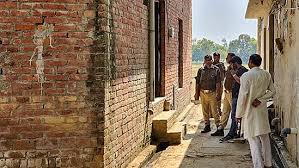
The Missing Toilets: A Social Commentary
Ironically, the tragedy also brought attention to a basic infrastructure issue — the lack of toilets for women in rural India.
The girls were vulnerable simply because they had to go into the fields in the dark, which many rural women still do. The government’s Swachh Bharat Abhiyan campaign later used this case to highlight the importance of sanitation.
Human Rights vs. State Narrative
Activists claim the CBI whitewashed the case. They point to:
-
Delayed forensic testing.
-
Mishandled evidence.
-
Political pressure to dismiss upper-caste involvement.
Human Rights Watch and Amnesty International raised questions about the lack of justice and fair investigation.
Where Are We Now?
As of recent updates:
-
All five accused were acquitted due to lack of evidence.
-
The family lives in fear and isolation, still demanding a reinvestigation.
-
The community remains tense, with caste divisions sharper than before.
No closure. No accountability. Just silence.
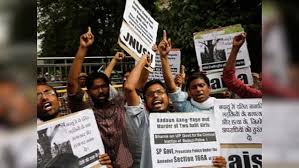
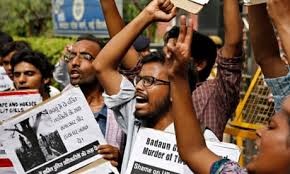
The Badaun Sisters case reflects more than a crime — it mirrors the ongoing battle between truth and power, between marginalized voices and institutional deafness. Whether it was a suicide, honor killing, or cover-up, one thing is certain: the girls were failed by the system at every step.
Each of these cases is a lesson — not just in crime, but in how we respond as a society. A model shot for refusing a drink. A family found hanging in their home. A journalist silenced. A child victim ignored. An actor gone without answers. These are more than just shocking stories. They are a wake-up call.
We are often quick to share, speculate, and forget. But what remains with the victims’ families is a silence that justice can’t fix and a loss that public sympathy can’t heal.
We owe it to them — and to ourselves — to do more than consume crime stories like entertainment. We need to reflect on the systems that fail people over and over. Whether it’s the caste bias in rural policing, the lack of mental health awareness in high-pressure industries, or the public’s short memory, every case reveals something we’ve chosen to overlook.
Until we learn from these tragedies — until we treat every name not as a case number but as a human life — change will remain just a word. And we’ll keep writing stories like this. Again and again.