
Bhawna Ahlawat Case – Honour killing of a 21-year-old girl in Delhi by her family.
Bhawna Ahlawat Case: An Honour Killing That Exposed a Family’s Deadly Obsession with Control
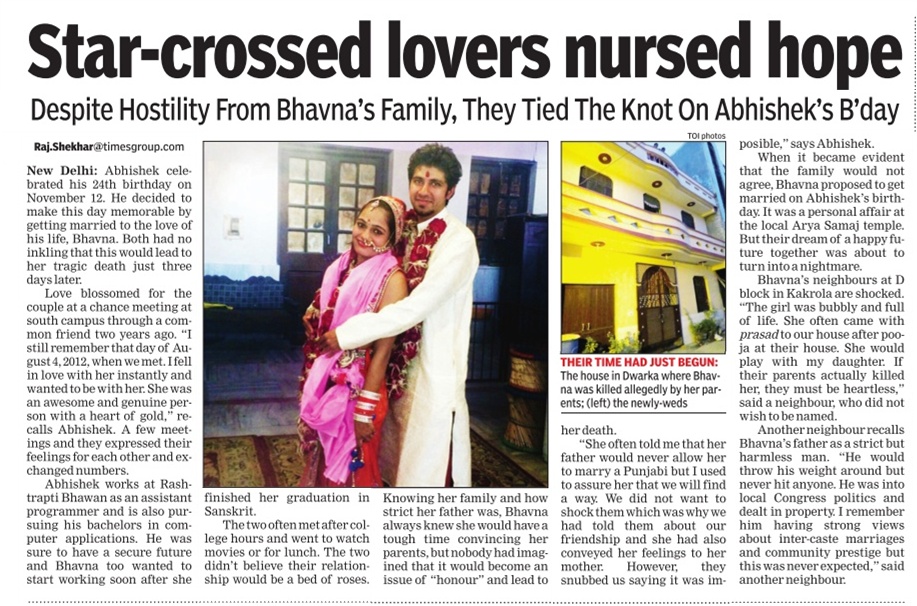
The Bhawna Ahlawat honour killing case is a disturbing reminder of how deeply rooted patriarchal values can turn deadly, even in modern urban India. When a 21-year-old woman from Delhi chose to love beyond the lines drawn by her family, it ended not in freedom but in her murder.
This chilling case of a daughter killed by her own kin has become one of India’s most horrifying real-life crime stories, igniting debates on honour, autonomy, and justice.
The Incident: A Brutal Murder in the Name of Honour
On December 16, 2014, Bhawna Ahlawat a young, independent college student from Delhi was reported missing by her boyfriend. Hours later, her strangled body was found dumped in a field near Haryana’s Jhajjar district.
It was soon revealed that her own family members were responsible for her death. The reason? Bhawna had fallen in love with a man from a different caste and had planned to marry him. Her family unable to accept this act of rebellion decided to eliminate her.
What unfolded was not only horrifying in brutality but also chilling in its calculation. Her cousin lured her under the pretext of reconciliation, only to strangle her in a moving car while her parents allegedly watched in silence.
The Background: A Girl’s Love Against a Family’s Pride
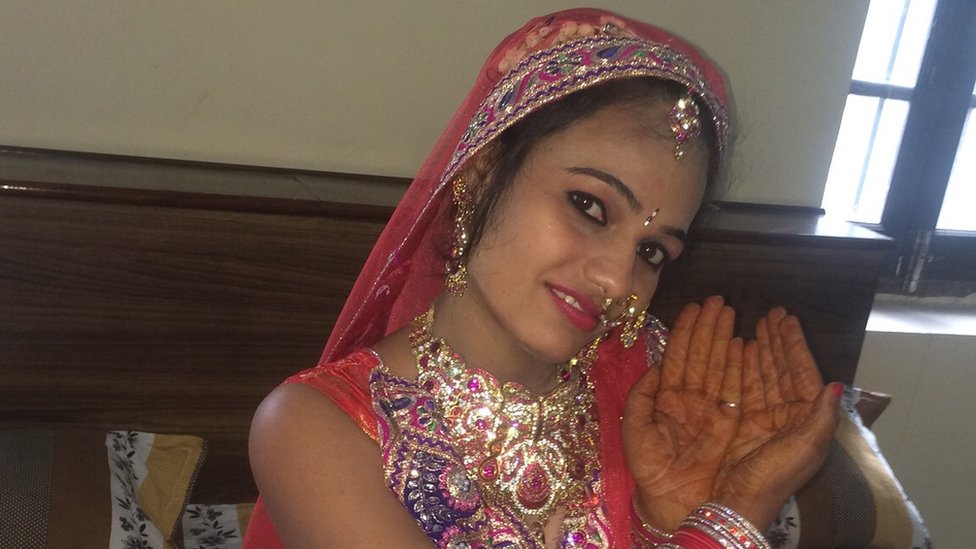
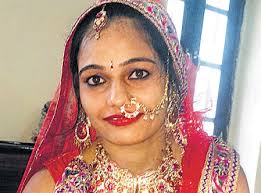
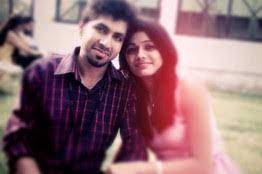
Bhawna hailed from Delhi’s Najafgarh area and belonged to a conservative family deeply entrenched in caste traditions. She had been in a relationship with Abhishek, a man from a lower caste and a different community, for over five years.
Despite resistance from her parents, Bhawna continued to meet Abhishek and was determined to marry him. In fact, she had legally registered her marriage and even left home with him, seeking safety.
But societal pressure, family threats, and emotional manipulation led her to return—hoping things would improve.
The Murder: Planned, Executed, and Justified
According to the police, Bhawna’s father, uncle, and cousin meticulously planned the murder. On the evening of December 15, 2014, her cousin Rohit contacted her and asked to meet, pretending he wanted to resolve the tension.
Bhawna, unaware of the trap, agreed. She was picked up in a car, where she was strangled with a scarf by Rohit while another cousin held her down. Her father and uncle reportedly sat in the front seats, watching it happen without intervening.
After murdering her, they drove to Jhajjar, dumped her body, and returned home. To cover their tracks, the family told relatives she had eloped—until the police, acting on Abhishek’s complaint, cracked the case in days.
Investigation: A Family of Killers Exposed
Delhi Police acted swiftly. Through call records and interrogation, it became clear that Bhawna’s disappearance was not a case of elopement, but cold-blooded honour killing.
All key members involved were arrested, including her father, cousin Rohit, uncle, and aunt. The court documents revealed shocking indifference none expressed remorse, and all justified their actions as “necessary to protect family honour.”
The case stood as a brutal example of how caste and societal reputation still hold more value than human life in some families.
Public Reaction: Outrage, Protests, and Demands for Justice
The Bhawna Ahlawat murder case sparked national outrage. Women’s rights groups, students, and anti-caste activists staged protests across Delhi, demanding the strictest punishment for the killers.
The case became a rallying cry against honour killings and the patriarchal mindset that fuels them. Many compared it to previous cases like Manoj-Babli and Nitish Katara, highlighting how even urban families are not immune to medieval mindsets.
The media kept a close eye on the trial, amplifying calls for justice and reinforcing the importance of legal protection for women who choose their own partners.
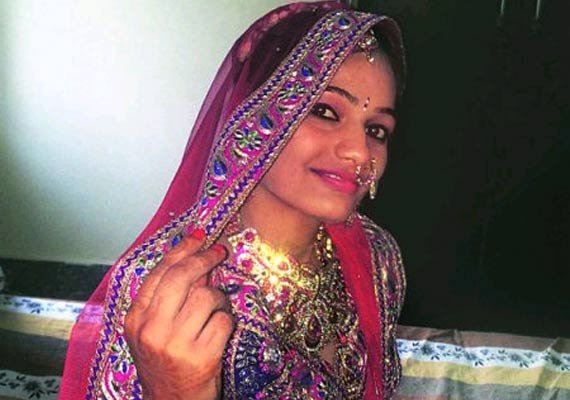
The Legal Battle: Convictions and a Message
After a lengthy trial, the court found all four accused guilty of murder, criminal conspiracy, and destruction of evidence. The court dismissed any claim of moral justification and highlighted that Bhawna had every legal and constitutional right to live and marry as she wished.
The conviction was hailed as a small victory, but also a reminder that laws alone cannot protect women unless society changes its thinking.
The Bigger Issue: Why Honour Killings Still Happen
Despite being illegal, honour killings continue to claim lives across India, often with the silent complicity of communities and local police. In Bhawna’s case, it was the sheer brutality and the fact that it occurred in the capital that shocked the nation.
What makes such cases worse is the sense of pride the killers display, as if they’ve upheld some moral standard. These crimes are often planned in the shadows of tradition, disguised as family duty, and fueled by casteism and gender control.
Legacy of Bhawna Ahlawat’s Case
Bhawna’s murder is a tragic symbol of the cost of asserting female agency in India. Her story continues to be cited in discussions on women’s rights, caste discrimination, and honour-based violence.
Schools and NGOs across Delhi have used her story in awareness campaigns. For many, Bhawna has become a martyr—someone who dared to live freely and paid for it with her life.
Conclusion: Bhawna Ahlawat’s Death Was Not Just a Crime It Was a Cultural Wake-up Call
The Bhawna Ahlawat case is not just another entry in India’s long list of true crime stories. It is a gut-wrenching reminder of how deeply patriarchy, caste, and honour can bleed into our families and institutions.
As we remember Bhawna, we must ask: How many more women must die before love is no longer punishable by death? How many lives will it take for honour killings to be viewed as the ultimate act of dishonour?