Rizwanur Rahman Case – Death of a man married to an industrialist’s daughter, police coverup suspected.
Rizwanur Rahman Case: A Tragic Love Story Entangled in Power and Suspicion
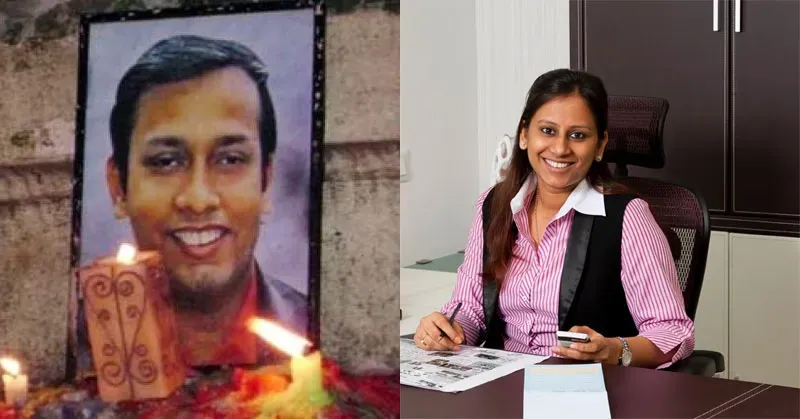
The Rizwanur Rahman case stands as one of the most tragic and politically charged true crime incidents in modern India. A man from a modest background married a powerful industrialist’s daughter only to be found dead under mysterious circumstances weeks later. Was it suicide, or was it murder masked by a powerful coverup?
This is not just a story of a forbidden marriage. It’s a chilling case of alleged police interference, political pressure, and the brutal cost of defying social hierarchies.
The Incident: A Life Cut Short Under Suspicious Circumstances
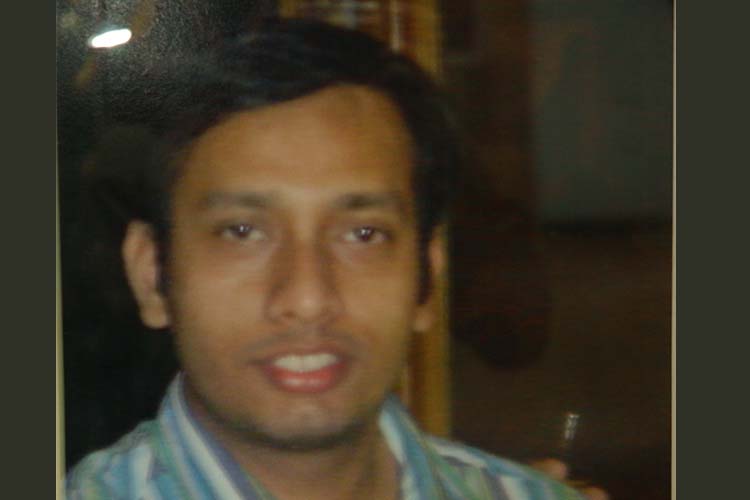
On September 21, 2007, the lifeless body of Rizwanur Rahman, a 30-year-old computer graphics teacher, was found near the railway tracks in Kolkata. Just a month earlier, Rizwanur had married Priyanka Todi, the daughter of industrialist Ashok Todi, against her family’s wishes.
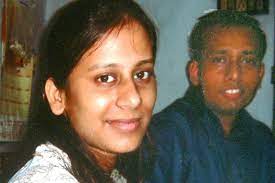
The couple had registered their interfaith marriage under the Special Marriage Act. Their decision sparked outrage in the Todi family, who allegedly used their power to separate them.
Within weeks, Rizwanur was dead.
The cause of death was reported as suicide, but visible injuries and unexplained circumstances led many to suspect foul play. For the people of Kolkata, this wasn’t just a personal tragedy. it was a case that exposed deep-rooted inequalities and the potential abuse of law enforcement by the rich and powerful.
The Background: Love Versus Class
Rizwanur came from a humble Muslim family in Park Circus, Kolkata. Known for his calm demeanor and professionalism, he was admired by his students. Priyanka Todi came from one of Kolkata’s wealthiest business families.
Their love story, though genuine, was met with intense opposition due to religious and class differences. After their marriage in August 2007, the couple lived together briefly before Priyanka returned to her parents’ home, promising to return later.
But she never did.
What followed was a disturbing series of events allegedly orchestrated by her family—with the help of senior police officials—to separate the couple.
The Investigation: A Web of Power and Influence
Rizwanur had documented his fear in letters he wrote to NGOs and human rights groups, outlining how he was being harassed by Kolkata Police officials.
Phone records, statements, and public protests pointed toward the involvement of senior cops in pressuring Rizwanur to “send Priyanka back” and to end the marriage.
The police, instead of protecting the couple, allegedly acted on behalf of the Todi family. There were even claims that Rizwanur was summoned to the police station and threatened repeatedly.
When his body was found, public suspicion exploded. Was this a suicide driven by relentless pressure? Or was there a more sinister plot at play?
Forensics and Public Outcry: Was It Suicide or Murder?
Initial forensic reports ruled the death a suicide. But the position of the body, injuries on Rizwanur’s head, and the lack of a clear suicide note raised questions.
Photos from the autopsy showed bruises inconsistent with death by train. Despite this, no murder case was initially filed.
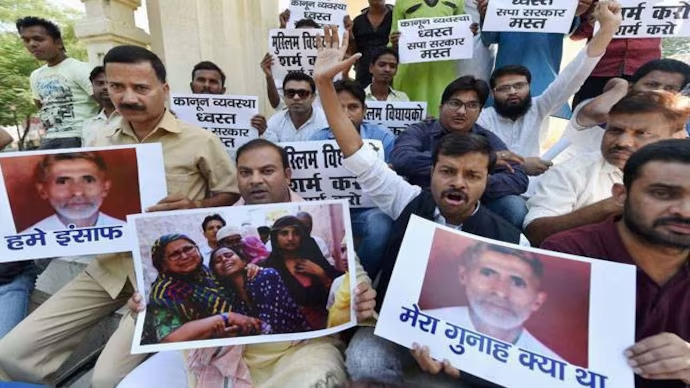
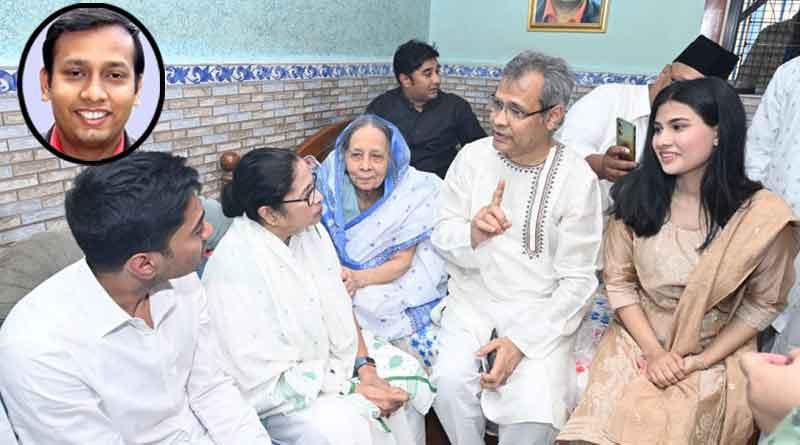
Kolkata witnessed mass protests, with activists, students, and politicians demanding justice. The media followed every development, and Rizwanur’s story became a symbol of resistance against class privilege and state misuse.
The Legal Battle: CBI Steps In
Due to mounting public pressure, the case was transferred to the Central Bureau of Investigation (CBI).
The CBI’s findings indicated that Rizwanur had been driven to suicide due to intense psychological pressure from both the Todi family and the police. Several police officers were transferred or suspended, and Ashok Todi was charged with abetment to suicide.
However, delays in legal proceedings, influence of powerful connections, and lack of strong evidence stalled the case. Even though charges were filed, convictions have been elusive.
Media, Politics, and Polarization
The Rizwanur Rahman case became a political battlefield. Accusations flew across party lines, with some leaders openly blaming the government and police machinery for siding with the rich.
The media played a dual role some outlets highlighted the injustice, while others tried to downplay the family’s involvement. The court of public opinion, however, was unanimous: Rizwanur had been wronged.
Theories and Unanswered Questions
Despite a decade of debate and inquiry, many questions remain unanswered:
Did Rizwanur really jump in front of a train?
Was he forcibly taken or lured out of his home that night?
Why didn’t Priyanka return after promising to do so?
While the official version leans toward suicide due to harassment, many still believe that the full truth has been buried beneath layers of privilege and police misconduct.
Legacy: A Symbol of Social Injustice
The Rizwanur Rahman case became more than just a legal battle. It came to represent love crushed by power, misuse of police authority, and the ugly face of class-based discrimination in modern India.
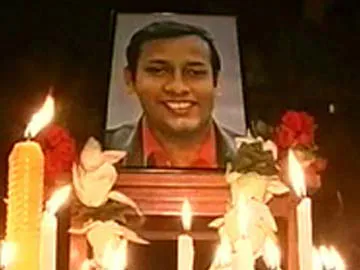
Rizwanur’s memory lives on through campaigns, protests, and remembrance events. For many, he remains a martyr of love who paid the ultimate price for defying societal boundaries.
Conclusion: Justice Delayed, But Not Forgotten
Years have passed since Rizwanur Rahman’s tragic death, but the case still evokes outrage and sorrow. The delayed legal process, lack of closure, and powerful people walking free continue to frustrate justice seekers.
This is not just a case of a man dying. It’s the story of a broken system, a silenced voice, and a love story that ended in a nightmare.
For true crime followers and those who fight for equality, the Rizwanur Rahman case is a chilling reminder of how the powerful can bend the rules and how the fight for justice must never stop.