Neeraj Grover Murder Case (Maria Susairaj) – Murder and dismemberment of TV executive.
Neeraj Grover Murder Case: A Shocking Crime of Passion and Betrayal
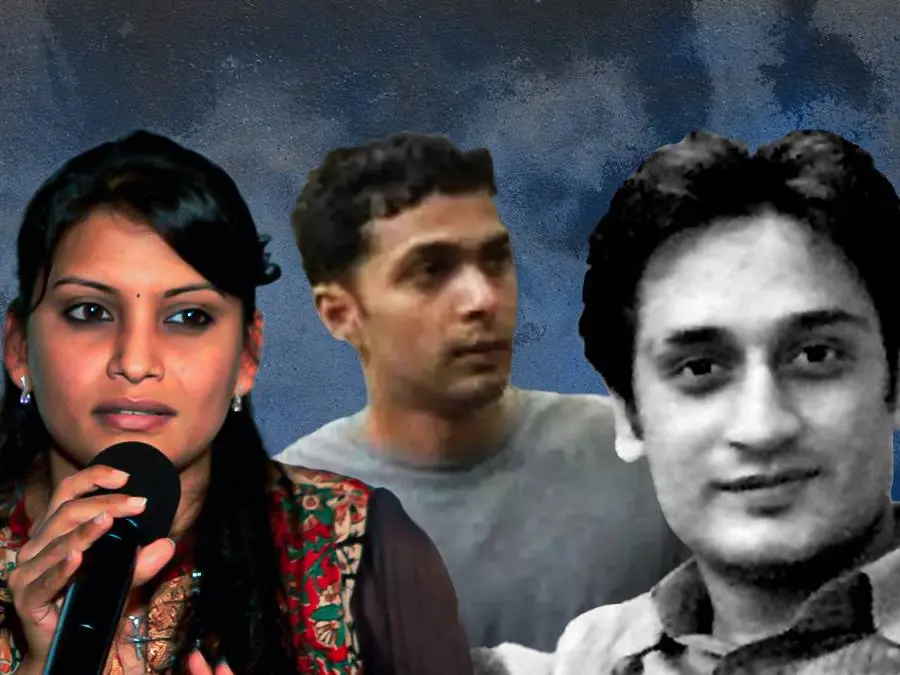
The Neeraj Grover murder case is one of the most chilling and sensational true crime stories in India’s recent history. Involving jealousy, betrayal, and the brutal dismemberment of a young TV executive, the case exposed a dark underbelly of the entertainment world. When aspiring actress Maria Susairaj and her fiancé Emile Jerome were accused of killing Neeraj, the nation was stunned.
What unfolded was a harrowing story of love, obsession, and a gruesome act that gripped the public imagination like a Bollywood thriller—only this time, it was real.
The Incident: A Crime Straight Out of a Horror Film
On the morning of May 7, 2008, Neeraj Grover, a 26-year-old media executive working with Synergy Adlabs in Mumbai, was reported missing. Friends and colleagues were concerned when he didn’t show up to work.
Unknown to them, Neeraj had been stabbed to death, and his body dismembered into over 300 pieces. His remains were packed in plastic bags, stuffed into a suitcase, and later burned in a forest in Manor, 90 kilometers from Mumbai.
The horrifying murder took place in the apartment of Maria Susairaj, an aspiring Kannada actress who had recently moved to Mumbai to pursue a career in television.


The Background: A Love Triangle Turns Deadly
Neeraj had been helping Maria land TV roles and was reportedly close to her. But Maria’s fiancé, Emile Jerome Mathew, a Navy lieutenant, was possessive and often suspicious of her closeness with Neeraj.
On the night of the murder, Maria had invited Neeraj to her flat. The next morning, Emile arrived unexpectedly from Kochi and found Neeraj in her bedroom. What followed was a violent confrontation.
In a fit of rage, Emile stabbed Neeraj to death. The couple then attempted to cover up the crime. Over the next 24 hours, they bought knives, plastic bags, and cleaning materials. Emile chopped up Neeraj’s body, and Maria allegedly helped clean the apartment and dispose of the evidence.
The Investigation: Tracking Down a Grisly Truth
Neeraj’s disappearance quickly escalated into a murder investigation when police traced his last location to Maria’s apartment. Surveillance, call records, and witness accounts pointed toward Maria and Emile.
Under interrogation, Maria confessed. Her detailed statement to police described how the murder happened and how the body was disposed of. This confession, paired with forensic evidence and witness testimony, led to the arrest of both accused.
Investigators were shocked not just by the brutality of the murder but also by the calculated efforts to clean the crime scene and mislead investigators.
The Forensics: Evidence That Spoke Louder Than Words
Forensic analysis played a pivotal role in the case. Blood traces were found in Maria’s apartment despite her attempt to clean it thoroughly. A bloodstained mattress, burnt remains, and bone fragments helped confirm that the body was indeed Neeraj’s.
Further, the couple’s movements were traced through credit card records and CCTV footage, including footage from shops where they bought the knives and cleaning supplies.
Despite the horror of the crime, the case hinged heavily on Maria’s confession, which aligned with forensic findings.
The Trial: A Shocking Verdict
In 2011, after nearly three years of legal proceedings, the Mumbai sessions court delivered a verdict that shocked the country. Emile Jerome was convicted of culpable homicide not amounting to murder under Section 304, and Maria Susairaj was convicted of destruction of evidence.
Jerome received a 10-year sentence, while Maria was sentenced to 3 years in jail. Because Maria had already served her time during the trial period, she was released immediately after the verdict.
Public reaction was one of outrage—many believed the sentences were too lenient for such a gruesome crime. Critics argued that Maria had played a far more active role in the murder and should have faced harsher punishment.
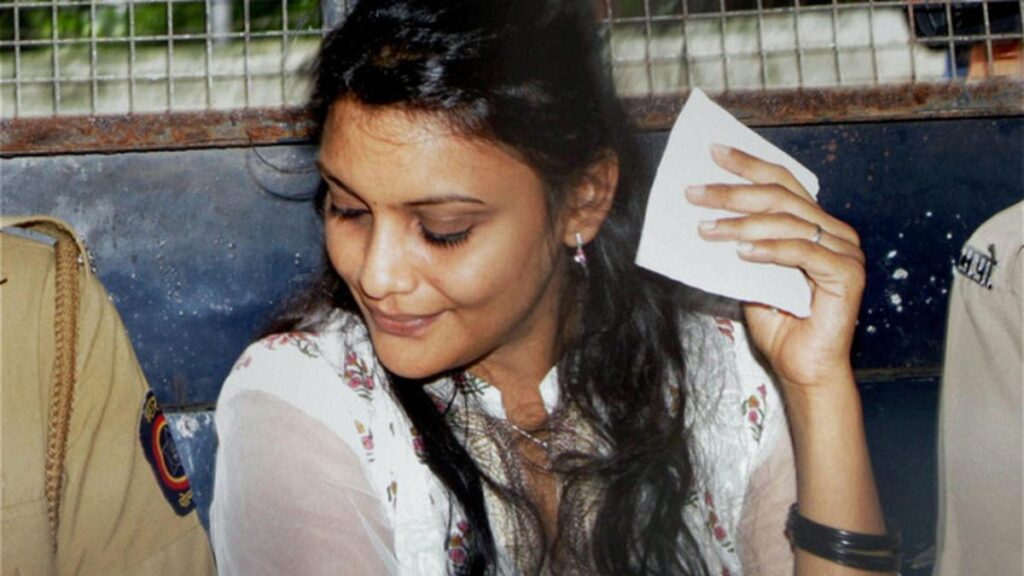
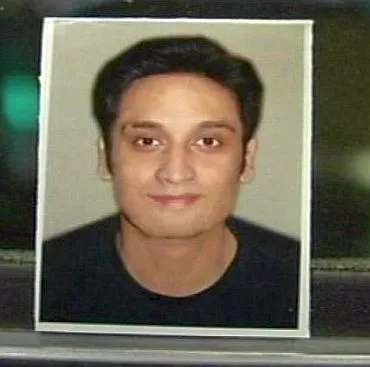
Media Frenzy and Public Reaction
The case drew intense media attention. The murder, the Bollywood connection, and Maria’s role created a perfect storm for sensational news coverage. Debates raged over whether the Indian legal system had failed to deliver justice.
The story inspired movies, TV shows, and crime documentaries. Maria became a controversial figure, while Emile faded into the background after serving his sentence.
The case sparked conversations about toxic relationships, gender bias in sentencing, and how public perception is often shaped by media narratives.
Theories and Aftermath: What Really Happened?
Though the court ruled the crime was a spontaneous act of rage, several unanswered questions remain:
Was the murder really unplanned?
Did Maria lure Neeraj into a trap?
Why was there no murder charge despite the brutality?
Many continue to believe that the crime was more premeditated than the court acknowledged. Maria’s behavior post-release, including reported attempts to re-enter the entertainment industry, kept the case in the public eye.
Legacy: A Case That Redefined Crime News in India
The Neeraj Grover case marked a turning point in India’s true crime coverage. It revealed how modern-day crimes are often as complex and chilling as any fictional thriller. The involvement of a navy officer, a struggling actress, and a TV executive gave the case a dark glamour rarely seen before.
It also highlighted how emotional instability, jealousy, and poor conflict resolution can spiral into irreversible acts of violence.
Conclusion: A Murder Remembered for Its Brutality
Even after more than a decade, the Neeraj Grover murder remains one of India’s most disturbing true crime cases. The graphic nature of the killing, the high-profile individuals involved, and the light sentencing left the public stunned and divided.
As a tale of love gone horribly wrong, it continues to be referenced in crime shows, journalism, and legal debates.
For many, it stands as a haunting reminder that beneath the glitz of showbiz, real-life horror can be waiting in the shadows.