
6 Outrageous Truths That Made the Jessica Lal Case a National Scandal
On the night of April 29, 1999, a glamorous party in Delhi’s elite Tamarind Court restaurant took a deadly turn. Model Jessica Lal was shot point-blank for refusing to serve a drink to a powerful man’s son. What followed was not just a murder trial—it became a test for India’s criminal justice system and media-driven justice.

The Victim: Who Was Jessica Lal?
Jessica Lal was a popular model and aspiring TV anchor who worked part-time at celebrity-hosted events. She wasn’t a bartender, but that night, she was helping out her friend Bina Ramani at a private party at Tamarind Court.
Jessica was admired not only for her looks but for her outspoken and confident personality—qualities that ultimately made her stand out in a patriarchal setup.
The Crime: A Drink Denied, A Life Taken
Around 2 AM, the party was still on when Manu Sharma—son of influential Congress politician Vinod Sharma—approached Jessica, asking for a drink. When she refused, saying the bar was closed, an enraged Manu pulled out his pistol and shot her in front of multiple witnesses. She collapsed behind the bar and later succumbed to her injuries.
He fled the scene immediately, setting off a manhunt.
The First Trial: Justice Denied
Despite having over 100 eyewitnesses, the case fell apart in court. Witnesses turned hostile. The prosecution fumbled. And in 2006, Manu Sharma was acquitted due to “lack of evidence.”
This verdict sparked massive public outrage. Headlines screamed injustice. Citizens protested. Social media (then in its early stages) began a campaign. “Justice for Jessica” became a national movement.
The Media’s Role: When Journalism Became a Weapon
This case is one of the earliest examples in India where media trials pushed the justice system to act. NDTV, Tehelka, and other outlets conducted sting operations, exposing how key witnesses had been bribed or intimidated.
Public pressure finally forced a re-trial in the Delhi High Court.
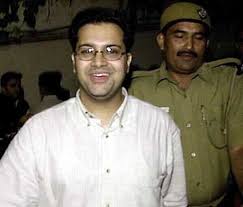
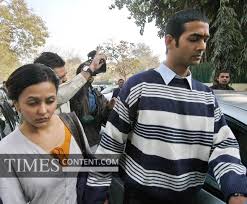
Justice Served: The Conviction
In December 2006, Manu Sharma was found guilty and sentenced to life imprisonment. Two other accomplices, Vikas Yadav and Amardeep Singh Gill, were convicted of destruction of evidence.
The judgment restored public faith in justice—at least momentarily.
Aftermath and Release
Manu Sharma served nearly 17 years before being released in 2020 on grounds of “good behavior.” His early release reignited debates about privilege in prison reform.
Meanwhile, Sabrina Lal, Jessica’s sister, publicly forgave him—a gesture that won praise but also stirred controversy.
Why This Case Still Matters
-
Power vs. Justice: The case showed how wealth and political influence can bend the system.
-
Role of Media: It pioneered the role of investigative journalism in criminal justice.
-
Public Activism: It proved that citizen-led campaigns could influence court outcomes.
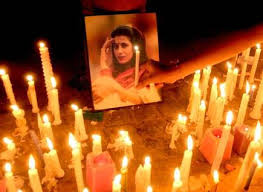

Jessica Lal’s murder wasn’t just the loss of a young, bright woman—it was a mirror to India’s broken systems. But it also ignited a fire in public conscience, forcing the judiciary to listen, and rewriting the narrative of people’s power in India.
True crime stories often begin and end with sensational headlines, but behind every case is a human life lost, a family broken, and a society forced to confront its darkest corners. Whether it’s the shocking murder of a model in a bar, the chilling death of 11 family members in Delhi, or the silencing of a fearless journalist — each case reveals how deeply flawed our institutions can be.
These aren’t just stories of crime. They are stories of neglect, power imbalance, media frenzy, and social apathy. The justice system stumbles, the truth gets diluted, and public memory moves on. Yet, for the victims and their families, the pain remains permanent.
As readers, it’s easy to consume these stories as entertainment. But we must remember: these were real people, with dreams, relationships, and futures — brutally erased.
True crime must go beyond the thrill — it must lead to awareness, accountability, and empathy. Because until we truly listen, reflect, and demand change, history will continue to repeat itself — in new names, new places, and new tragedies.
Let us not forget. Let us not normalize.